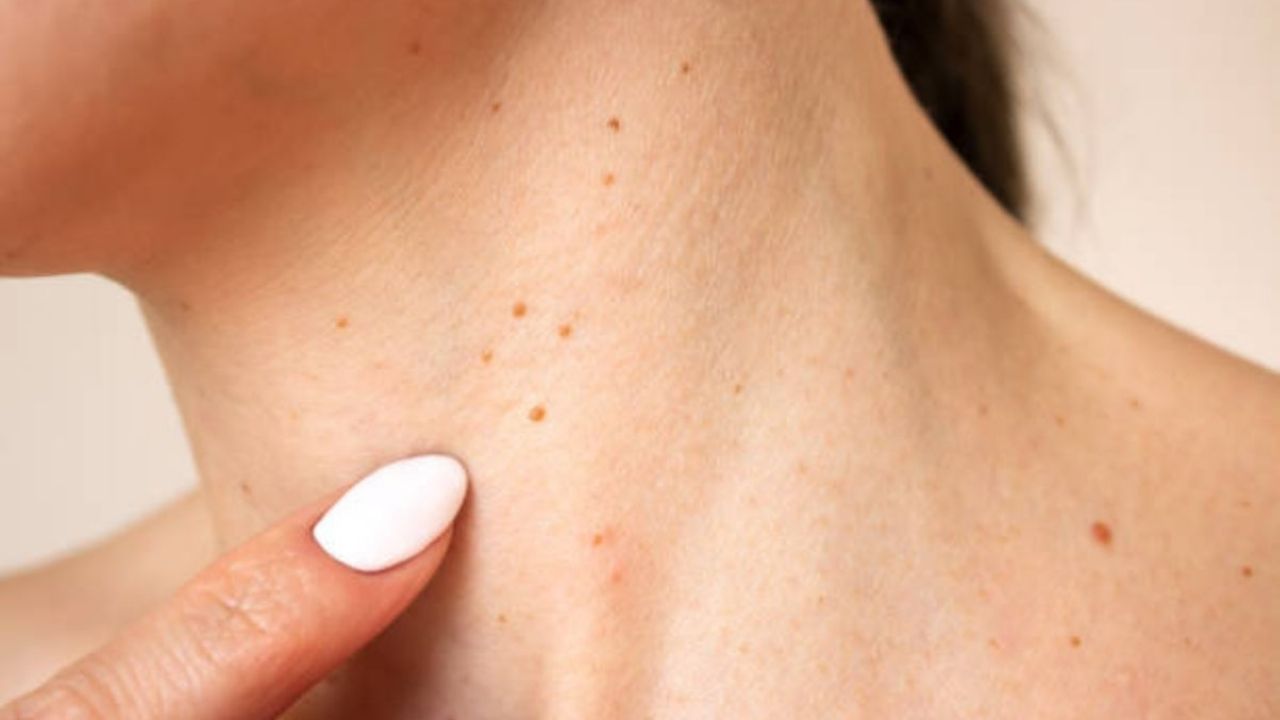
Warts on the neck are a common dermatological complaint, frequently prompting individuals to seek answers to the question, "¿Por qué salen verrugas en el cuello?" (Why do warts appear on the neck?). While often benign and posing no significant health risk, their visible location can lead to considerable aesthetic concern, self-consciousness, and even physical discomfort due to friction with clothing or jewelry. Many immediately associate these pesky skin growths with the Human Papillomavirus (HPV), and rightly so, as it is a primary driver. However, the full story behind their appearance on your neck is often more nuanced, involving a fascinating interplay of biological, viral, and lifestyle factors that extend well beyond just the virus itself. Understanding these less-obvious triggers is key to prevention and effective management.
The Ubiquitous Role of HPV: More Than Just a Simple Infection
Indeed, over 90% of warts found on the neck, as well as in other skin-fold areas like the armpits, are attributed to non-cancerous strains of the Human Papillomavirus, predominantly types 6 and 11. This virus doesn't just magically appear; it requires a point of entry. Often, this entry is through microscopic breaks in the skin – tiny cuts or abrasions that are practically invisible to the naked eye. Think about the routine act of shaving, where a razor blade can create minute nicks, or the constant rubbing of a necklace against your skin. Even scratching an itch or vigorous towel drying can create these opportune gateways for the virus.
Once inside, HPV infiltrates skin cells and encourages an accelerated rate of cell growth, resulting in the characteristic soft, flesh-colored bumps we recognize as warts. Unlike some more aggressive variants found on the soles of feet or in genital areas, neck warts are generally not highly contagious through casual contact. However, they can certainly multiply and spread to other areas of the body on the same individual. This internal proliferation is often a tell-tale sign of a compromised immune system. Factors such as chronic stress, underlying illnesses, or nutritional deficiencies can weaken your body's defenses, making it less effective at containing the virus and preventing new lesions from forming.
The Immune System Connection: Your Body's First Line of Defense
Your immune system plays a critical role in whether you develop warts and how many. A robust immune response can often suppress the HPV virus, preventing it from causing visible warts or helping existing ones to resolve naturally. Conversely, when your immune system is under pressure – perhaps from prolonged periods of stress, a lack of sleep, poor nutrition, or chronic conditions – its ability to fight off viral infections like HPV is diminished. This can explain why warts might suddenly appear or multiply during particularly taxing times in your life. Strengthening your immune system through a balanced diet, regular exercise, adequate sleep, and stress management techniques is a proactive step in preventing and managing these skin growths.
Unmasking the Unexpected Culprits: Beyond the Virus
While HPV is a primary agent, it rarely acts alone. Several other factors often create the perfect environment for HPV to take hold and manifest as warts. These are the "unexpected" elements that many people overlook when considering porque salen verrugas en el cuello.
The Diabetic Connection: High Blood Sugar, High Risk
One of the most surprising and significant factors is the link between warts and metabolic health. Individuals living with prediabetes or type 2 diabetes have a significantly higher likelihood – up to 40% more – of developing warts or similar benign skin growths, often referred to as skin tags (fibromas). The underlying mechanism lies in elevated insulin levels, which are characteristic of insulin resistance. High insulin acts as a growth factor, promoting the abnormal proliferation of skin cells. This explains why these lesions in diabetic individuals are often smaller, more numerous, and frequently found in skin folds, where cells are already more prone to growth and friction. If you're noticing an increase in neck warts and have other risk factors for diabetes, it’s a strong signal to consult your doctor for a blood sugar check. For more insights into this specific connection, you can read our detailed article on Neck Warts: How Diabetes, Hormones & Friction Contribute.
Friction: The Silent Aggravator
The neck is a high-traffic area, constantly subjected to friction. This constant rubbing from clothing, jewelry, and even everyday movements can be a major contributor to wart formation. Collars, neckties, bra straps, and synthetic fabrics can create micro-traumas on the skin's surface, providing those tiny entry points for HPV. Dermatological research even indicates that the daily use of heavy jewelry can increase the incidence of neck warts by as much as 30%. Furthermore, the moisture that tends to accumulate in skin folds and under clothing or jewelry creates a warm, damp environment that is ideal for viral proliferation. Choosing looser-fitting clothing made from natural, breathable fabrics, and being mindful of heavy or irritating jewelry, can significantly reduce this risk.
Hormonal Shifts: A Catalyst for Skin Changes
Our hormones wield considerable power over our bodies, and the skin is no exception. Fluctuations in hormone levels can act as a potent catalyst for the sudden appearance or increase of warts. Significant hormonal shifts, such as those experienced during pregnancy, menopause, or as a side effect of certain steroid treatments, can trigger these skin changes. Specifically, hormones like estrogen and progesterone are known to stimulate the production and growth of skin cells. When these hormones are elevated, the skin becomes more susceptible to the effects of HPV, facilitating rapid lesion formation. Other conditions like Polycystic Ovary Syndrome (PCOS) or thyroid imbalances can also influence hormone levels and, by extension, contribute to skin changes including warts.
When to Seek Professional Advice
While most neck warts are benign and harmless, it's crucial to be vigilant for certain warning signs that warrant immediate evaluation by a dermatologist. These include:
- Accelerated growth: A wart that suddenly grows much larger or spreads rapidly.
- Change of color: Warts that turn black, dark red, or any color other than your natural skin tone.
- Bleeding: Any wart that bleeds spontaneously or with minimal irritation.
- Pain or itching: Warts that become painful or persistently itchy.
- Irregular borders or texture: Any wart that looks significantly different from typical, soft neck warts.
These symptoms could indicate a different type of skin lesion or, in rare cases, a more serious condition. A dermatologist can accurately diagnose the lesion and recommend the most appropriate course of action.
Proactive Steps and Prevention
Understanding porque salen verrugas en el cuello empowers you to take proactive steps. Beyond managing underlying health conditions like diabetes and being mindful of friction, maintaining good skin hygiene is vital. Regularly cleaning and drying skin folds, choosing breathable fabrics, and opting for lightweight jewelry can make a difference. Boosting your immune system through a balanced diet rich in vitamins and antioxidants, regular exercise, and stress reduction techniques will also fortify your body's defenses against viral infections. If you do develop neck warts and find them bothersome, there are various effective treatment options available, from topical solutions to in-office dermatological procedures. To explore these options in detail, we recommend reading our article: Why Neck Warts Appear & How to Effectively Remove Them.
Conclusion
The appearance of warts on your neck is often more complex than a simple HPV infection. While the virus is undoubtedly a key player, its manifestation is significantly influenced by a range of factors from your metabolic health and hormonal balance to everyday habits like your choice of clothing and jewelry. By recognizing these often-overlooked culprits, you gain a deeper understanding of why these common skin growths occur and how you can take a more comprehensive approach to prevention and care. If you have concerns about existing warts or wish to explore removal options, consulting a dermatologist is always the best course of action to ensure proper diagnosis and treatment.