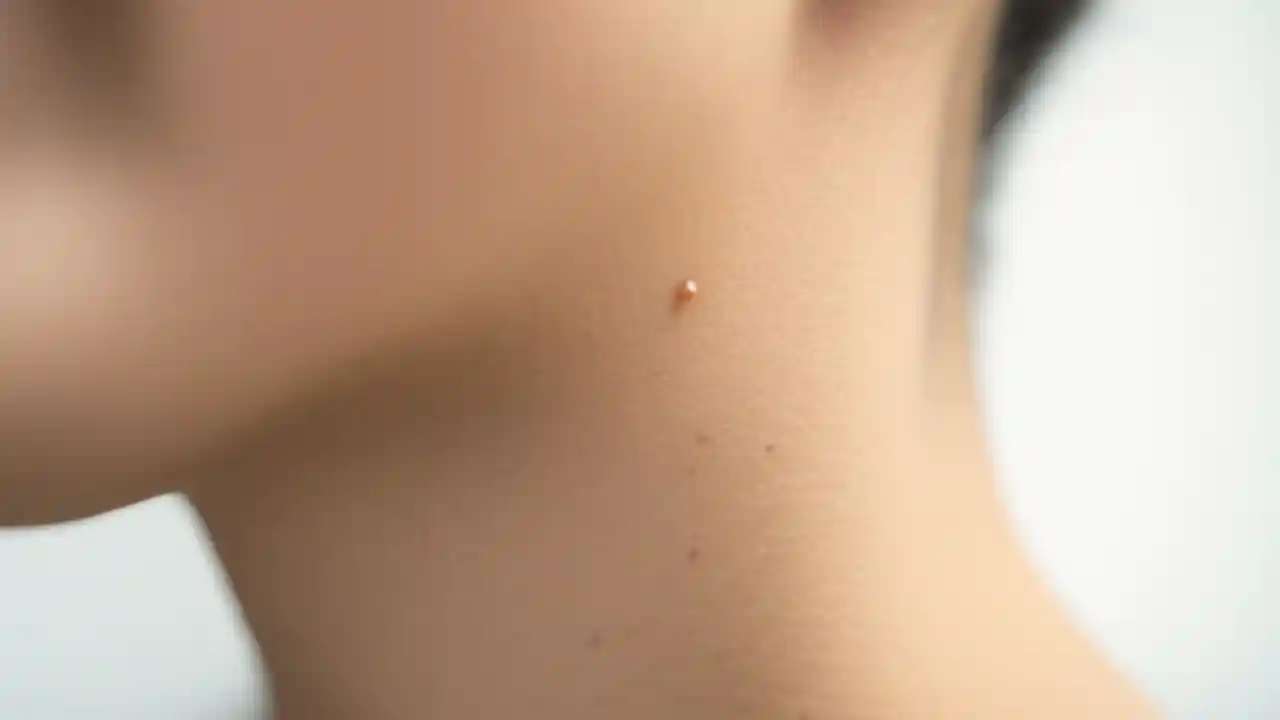
Why Neck Warts Appear: Unraveling the Mystery Behind Those Pesky Bumps
Those small, soft bumps that often appear on the neck, in the armpits, or other areas where skin naturally folds are a frequent concern for many, prompting countless dermatology visits. While generally harmless and rarely posing a serious health risk, their presence can certainly cause aesthetic unease and sometimes physical discomfort. If you've ever found yourself wondering, "¿Porque salen verrugas en el cuello?" (Why do warts appear on the neck?), you're not alone. The truth is, these growths aren't a sign of poor hygiene, but rather a complex interplay of biological, viral, and even hormonal factors.
Understanding the root causes is the first step toward effective management and removal. Let's delve into the science behind why these common skin lesions emerge and explore the most effective ways to address them.
The Viral Culprit: Human Papillomavirus (HPV)
The Dominant Factor: Human Papillomavirus (HPV)
For more than 90% of neck warts, the primary instigator is the Human Papillomavirus (HPV). Specifically, non-cancerous strains, most commonly types 6 and 11, are responsible for these benign growths. Unlike some other forms of HPV, these particular strains are associated with the common, skin-colored, soft protuberances typically found on the neck.
The virus gains entry to the skin through tiny breaks or micro-injuries. Think about everyday occurrences like minor nicks from shaving, friction from jewelry, or even subtle chafing from clothing. Once the virus penetrates the outer layer of skin, it accelerates the growth of skin cells, leading to the characteristic soft bumps we recognize as warts.
It's important to note that while some HPV strains are highly contagious or linked to more serious health issues, the types responsible for neck warts are rarely transmitted through casual contact. However, an individual might see more warts appear or existing ones multiply if their immune system is compromised. Factors like chronic stress, underlying health conditions, or nutritional deficiencies can weaken the body's defenses, allowing the virus to become more active. Strengthening your immune system through a balanced diet, adequate sleep, and stress management can play a supportive role in preventing new outbreaks and helping your body fight existing infections.
Beyond HPV: Unexpected Triggers for Neck Warts
While HPV is a significant player, it’s not the only factor at play. Beyond HPV: Unexpected Factors Behind Warts on Your Neck can significantly influence whether these skin lesions develop. Several other conditions and habits can create an environment conducive to their appearance, even for those without a direct HPV infection or in conjunction with it. These factors highlight why managing overall health is crucial for skin well-being.
Prediabetes and Diabetes: A Lesser-Known Connection
One of the most surprising and often overlooked factors is the link between prediabetes and type 2 diabetes. Individuals managing these conditions are up to 40% more likely to develop not just warts, but also skin tags (fibromas blandos). This increased susceptibility is primarily due to elevated insulin levels. High insulin promotes the abnormal growth of skin tissues, explaining why these lesions are often numerous, smaller, and frequently located in skin folds. Studies published in Clinical and Experimental Dermatology support this connection, underscoring how systemic health can manifest on the skin and the importance of blood sugar management.
Friction and Tight Clothing: An Everyday Culprit
The constant rubbing of certain items against the delicate skin of your neck can also contribute significantly to wart formation. Necklaces, tight collars, ties, bra straps, or even synthetic clothing can generate micro-traumas and irritation. This continuous friction creates small breaks in the skin, making it easier for the HPV virus to enter and for existing warts to proliferate. Dermatological research has even connected daily wear of heavy jewelry with a 30% increase in neck wart cases. The combination of friction and moisture in these areas creates a perfect breeding ground for skin cell overgrowth.
To mitigate this, consider opting for lighter jewelry, looser clothing made from breathable fabrics, and paying attention to keeping the neck area dry, especially after sweating.
Hormonal Fluctuations: A Biological Influence
Significant shifts in your body’s hormone levels can also trigger the sudden appearance or multiplication of neck warts. This is particularly noticeable during life stages such as pregnancy, menopause, or when undergoing treatments involving steroids. Hormones like estrogen and progesterone stimulate the production of skin cells. When these levels fluctuate dramatically, they can facilitate rapid skin cell turnover and growth, making it easier for warts to emerge or existing ones to grow more quickly. This connection highlights the intricate relationship between our endocrine system and skin health.
For a deeper dive into these specific influences, explore our related article: Neck Warts: How Diabetes, Hormones & Friction Contribute.
When to Seek Professional Advice for Neck Warts
While most neck warts are benign and pose no serious health risk, it's crucial to be aware of certain warning signs that warrant immediate consultation with a dermatologist. These indicators can suggest a different type of growth or complications that require medical attention:
- Accelerated Growth: If a wart suddenly starts growing rapidly in size.
- Change in Color: Any alteration in the wart's color, especially turning black or red.
- Bleeding: If the wart starts to bleed spontaneously or with minimal contact.
- Pain or Discomfort: If the wart becomes painful to the touch or causes persistent discomfort.
- Itching or Inflammation: Persistent itching, redness, or signs of inflammation around the wart.
- Uncertainty: If you're unsure whether a new skin growth is a wart or something else.
A dermatologist can accurately diagnose the lesion, rule out more serious conditions, and recommend the most appropriate course of action.
Effective Strategies for Neck Wart Removal
Given their visible location, many people view neck warts as an aesthetic concern and seek ways to reduce their appearance or remove them entirely. Fortunately, various effective treatment options are available, ranging from at-home remedies to in-office dermatological procedures. The best approach often depends on the wart's size, number, location, and your individual health profile.
Professional Dermatological Treatments
For safe and effective removal, consulting a dermatologist is always recommended. They can offer several in-office procedures:
- Cryotherapy: This involves freezing the wart with liquid nitrogen. The extreme cold destroys the cells, causing the wart to blister and then fall off within a few days to weeks. Multiple sessions may be required.
- Electrocautery: Using an electric current to burn off the wart. This method is effective for smaller warts and involves localized heat to destroy the tissue.
- Excisional Removal: For larger or stubborn warts, a dermatologist may surgically cut out the wart. This procedure is performed under local anesthesia and typically leaves a small scar.
- Laser Removal: Certain lasers can be used to destroy the blood vessels that feed the wart, causing it to die and fall off. This method is precise and can be effective for warts that haven't responded to other treatments.
- Topical Treatments (Prescription Strength): Dermatologists can prescribe stronger topical medications containing ingredients like salicylic acid or retinoids, which work by gradually peeling away the layers of the wart.
Over-the-Counter (OTC) Options (with caution)
For very small, non-bothersome warts, some individuals might consider OTC options. These typically contain salicylic acid, which slowly dissolves the wart tissue. However, it's crucial to exercise caution, especially on the delicate skin of the neck:
- Always follow product instructions carefully.
- Protect surrounding healthy skin with petroleum jelly to prevent irritation.
- These products may not be suitable for all skin types or wart locations.
- Discontinue use and consult a doctor if irritation, pain, or no improvement occurs.
Self-diagnosis and treatment carry risks, especially with growths on the neck. Always confirm with a healthcare professional that the lesion is indeed a common wart before attempting any at-home removal.
Proactive Steps for Prevention
While completely preventing warts might not always be possible, several strategies can significantly reduce your risk of developing them or experiencing their recurrence:
- Manage Underlying Health Conditions: For those with prediabetes or diabetes, diligent management of blood sugar levels is paramount. This can reduce the likelihood of skin overgrowths.
- Minimize Skin Friction: Opt for loose-fitting clothing made from breathable fabrics like cotton. Choose lighter jewelry or consider wearing necklaces less frequently, especially if you notice irritation.
- Boost Your Immune System: A strong immune system is your best defense against viral infections like HPV. Ensure you have a balanced diet rich in vitamins and minerals, get adequate sleep, and manage stress effectively.
- Practice Gentle Skin Care: Avoid aggressive scrubbing or harsh products on your neck, which can create micro-tears in the skin. Be gentle when shaving or exfoliating.
- Stay Hydrated and Nourished: Healthy, well-hydrated skin is more resilient and less prone to microscopic damage.
Conclusion
The appearance of warts on the neck, a common concern leading many to wonder "¿Porque salen verrugas en el cuello?", is typically rooted in HPV infection, often exacerbated by factors such as diabetes, friction, and hormonal shifts. While usually benign, they can be an aesthetic nuisance or cause minor discomfort. Thankfully, with a comprehensive understanding of their causes and a range of effective professional treatments, managing and removing these skin growths is highly achievable.
Remember, self-diagnosis and treatment are not recommended for growths on the delicate skin of the neck. If you have concerns about a wart on your neck, or if you notice any changes in size, color, or sensation, consulting a dermatologist is always the safest and most effective course of action. They can provide an accurate diagnosis, rule out other conditions, and guide you towards the most suitable removal or management plan, helping you achieve smoother, healthier skin.