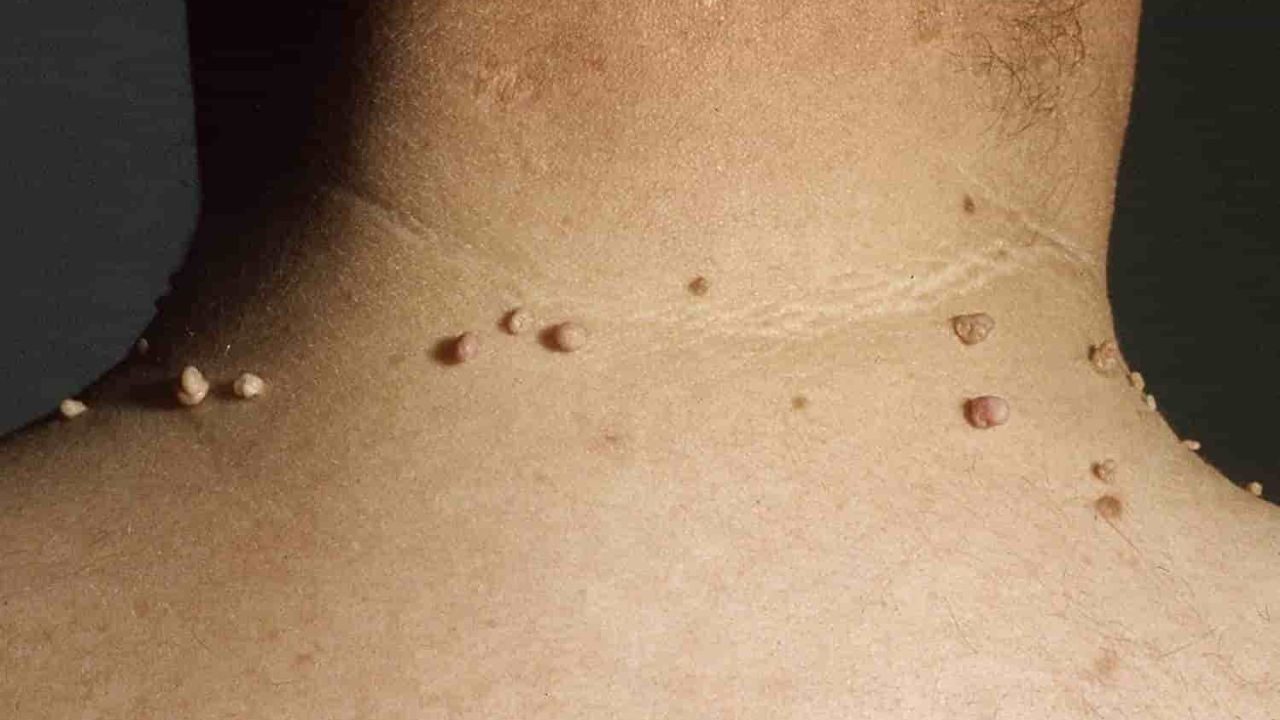
Understanding the Roots of Neck Warts: More Than Meets the Eye
Those small, soft, skin-colored bumps often found on the neck, armpits, and other skin folds are a common dermatological concern. While generally harmless, their presence can cause considerable aesthetic discomfort and even anxiety. If you've ever wondered, "Porque salen verrugas en el cuello?" (Why do warts appear on the neck?), you're not alone. The answer is surprisingly multifaceted, extending beyond simple hygiene to involve a complex interplay of biological, viral, and even hormonal factors. It’s a common misconception that warts are a sign of poor cleanliness; in reality, they stem from deeper physiological processes.
The Primary Culprit: Human Papillomavirus (HPV)
At the core of over 90% of neck wart cases lies the Human Papillomavirus (HPV). Specifically, non-cancerous strains, predominantly types 6 and 11, are responsible for these benign skin growths. This common virus capitalizes on minor breaks in the skin – what we call micro-injuries. Think about those tiny scratches from shaving, the subtle irritation from a necklace rubbing against your skin, or even the friction from clothing. These microscopic entry points allow the HPV to penetrate the outer layers of the skin, where it then accelerates the growth of skin cells, leading to the formation of those characteristic soft, fleshy protrusions.
Unlike some other variants, such as plantar warts on the feet or genital warts, neck warts are rarely contagious through casual contact. However, it's crucial to understand that the virus can spread to other areas of the same person's body. This self-inoculation is particularly common if an individual's immune system is compromised or weakened. Factors such as chronic stress, underlying chronic illnesses, or significant nutritional deficiencies can diminish the body's natural defenses, making it easier for existing HPV to proliferate and for new warts to emerge, as evidenced by studies published in journals like Clinical and Experimental Dermatology.
Weakened Immunity: An Open Door
Your immune system plays a crucial role in keeping viruses like HPV in check. When your body's defenses are not operating at their peak, it creates an environment where the virus can thrive. This doesn't mean you'll instantly develop warts if you're stressed, but it does mean that if you've been exposed to HPV, a weakened immune response makes it harder for your body to suppress the viral activity, potentially leading to the growth or multiplication of warts. Managing stress, maintaining a balanced diet, and addressing underlying health conditions are all important steps in supporting robust immunity and, by extension, potentially reducing your susceptibility to wart development.
Beyond the Virus: Unexpected Factors Driving Neck Warts
While HPV is a primary instigator, it often works in conjunction with other biological and environmental factors that either facilitate its entry, accelerate its growth, or simply make the skin more prone to these benign lesions. Understanding these co-factors provides a more complete answer to the question, "Porque salen verrugas en el cuello?" and offers additional avenues for prevention and management. These elements often go Beyond HPV: Unexpected Factors Behind Warts on Your Neck, revealing a more intricate picture.
Prediabetes and Diabetes: A Significant, Overlooked Connection
One of the most surprising and often overlooked connections in the development of neck warts, particularly multiple or clustered ones, is their link to prediabetes and type 2 diabetes. Individuals living with these conditions have a significantly higher likelihood – up to 40% more – of developing warts or skin tags (fibromas blandos). The underlying mechanism involves elevated insulin levels, a hallmark of insulin resistance common in these conditions. High insulin doesn't just regulate blood sugar; it also acts as a growth factor, promoting the abnormal proliferation of skin cells and tissues. This biological response explains why these lesions in diabetic or pre-diabetic individuals tend to be smaller, more numerous, and frequently located in skin folds where growth is already naturally facilitated. Therefore, if you're noticing an unusual increase in neck warts, it might be a subtle sign to discuss your metabolic health with your doctor.
The Role of Friction: Jewelry, Clothing, and Daily Wear
The neck is an area prone to constant mechanical stress. The repeated rubbing from everyday items like necklaces, tight collars, ties, backpack straps, or even synthetic clothing can create tiny, imperceptible traumas to the skin. These micro-injuries serve as ideal entry points for the HPV, allowing the virus to take hold more easily. Dermatological research supports this, with studies showing a notable increase (up to 30%) in neck wart cases among those who regularly wear heavy jewelry. Furthermore, the combination of friction and moisture – perhaps from sweat in humid conditions or during physical activity – creates an even more hospitable environment for the virus to thrive and for warts to proliferate. Choosing lighter jewelry, opting for breathable fabrics, and ensuring proper skin drying can play a surprisingly important role in prevention.
- Opt for Lighter Jewelry: Heavy necklaces can exert constant pressure and friction. Consider lighter pieces or limit wear to special occasions.
- Choose Breathable Fabrics: Synthetic materials can trap heat and moisture, increasing both friction and humidity. Natural fibers like cotton or linen are often better choices.
- Ensure Proper Fit: Avoid excessively tight collars or clothing that constantly rubs against the neck.
- Manage Moisture: If you sweat heavily, consider using a gentle, non-irritating antiperspirant or powder in skin folds, or simply ensure the area is clean and dry.
Hormonal Fluctuations: A Biological Catalyst
Our bodies are constantly influenced by hormonal shifts, and these changes can have a profound impact on skin health, including the propensity for wart development. Periods of significant hormonal fluctuation, such as pregnancy, menopause, or even certain medical treatments involving steroids, can act as a trigger for the sudden appearance or increase of warts. Hormones like estrogen and progesterone, which fluctuate dramatically during these life stages, are known to stimulate the production and growth of skin cells. This heightened cellular activity creates an environment where HPV, if present, can more easily cause the characteristic wart lesions, leading to their rapid emergence. It's a testament to the intricate connection between our internal chemistry and external skin manifestations.
When to Seek Professional Advice for Neck Warts
While the vast majority of neck warts are benign and pose no serious health risk, it's always prudent to be vigilant and know when to consult a dermatologist. There are specific warning signs that warrant immediate professional evaluation to rule out any more serious underlying conditions. You should seek medical attention if you notice:
- Accelerated Growth: If a wart rapidly increases in size.
- Change in Color: Warts that turn black, dark red, or any unusual shade.
- Bleeding: If a wart starts to bleed spontaneously or with minimal contact.
- Pain or Tenderness: Any new or increasing pain, itching, or tenderness associated with the wart.
- Irregular Shape or Border: While not common for typical warts, any lesion with an unusual, asymmetrical shape or blurry borders should be checked.
A dermatologist can accurately diagnose the lesion and, if necessary, recommend appropriate treatment options or further investigation.
Prevention and Management: Taking Control
Understanding the varied causes behind why warts appear on the neck empowers you to take proactive steps. While you can't always prevent HPV exposure, you can certainly minimize factors that encourage its manifestation. Beyond prevention, many effective options exist for managing and removing these lesions if they become a cosmetic concern or cause discomfort. For a deeper dive into the available solutions, explore our guide on Why Neck Warts Appear & How to Effectively Remove Them.
In conclusion, the answer to "Porque salen verrugas en el cuello?" is a compelling blend of viral infection, metabolic health, environmental friction, and hormonal influences. These often harmless bumps are a fascinating example of how interconnected our bodily systems truly are. While commonly caused by HPV, factors like prediabetes, constant friction, and hormonal shifts can significantly contribute to their appearance and proliferation. By recognizing these contributing factors, you can better understand your own skin, take preventive measures, and know when it's time to consult a dermatologist for peace of mind and effective management.